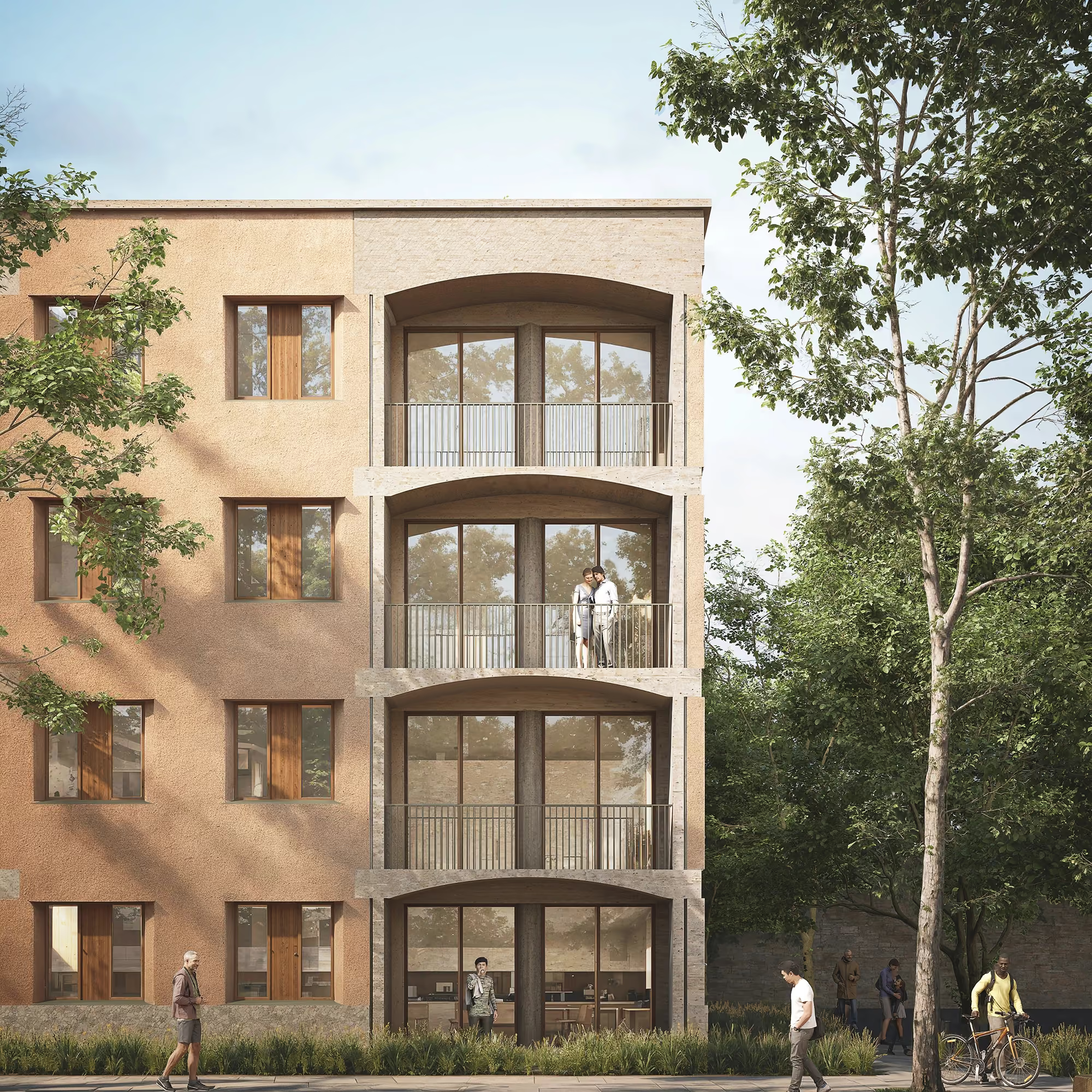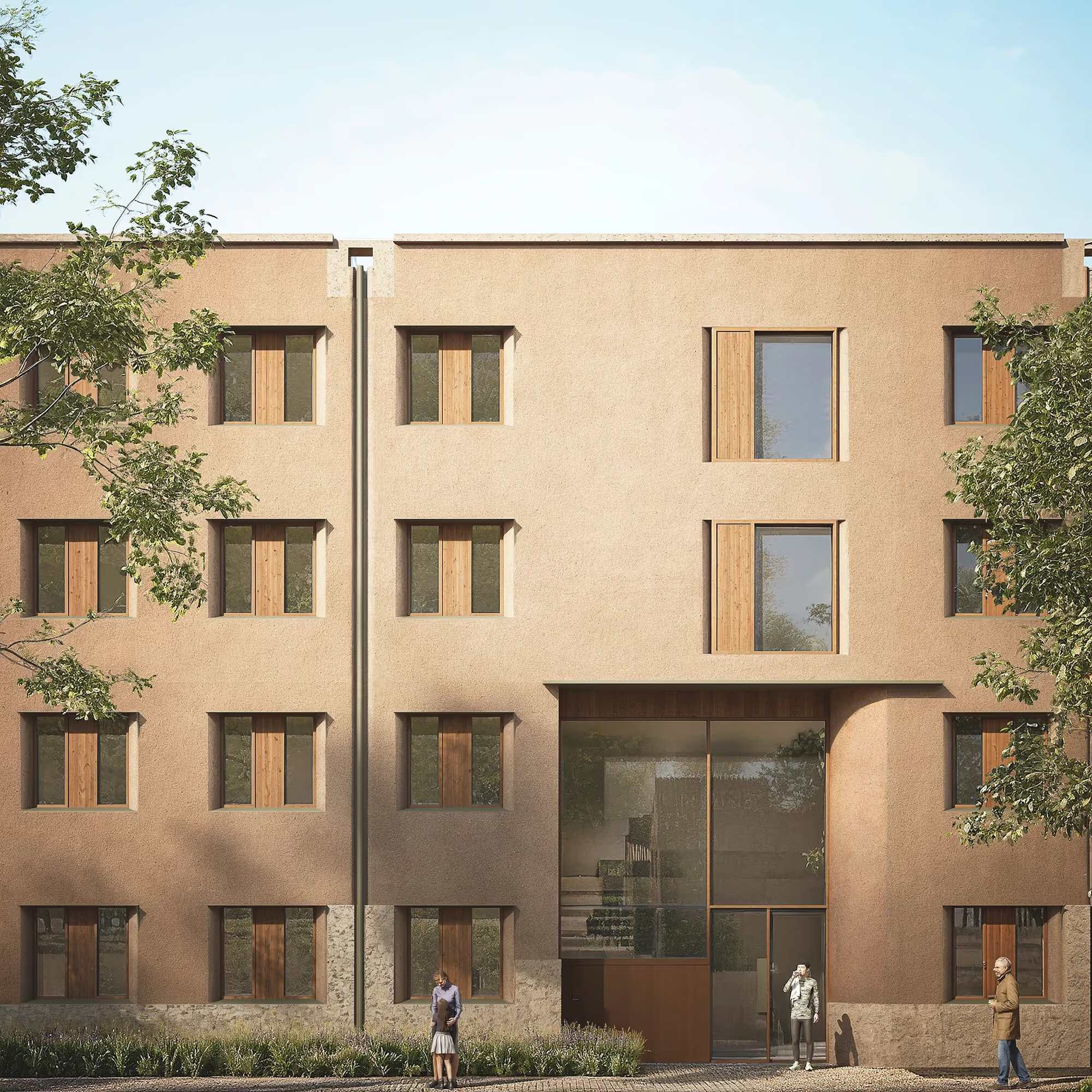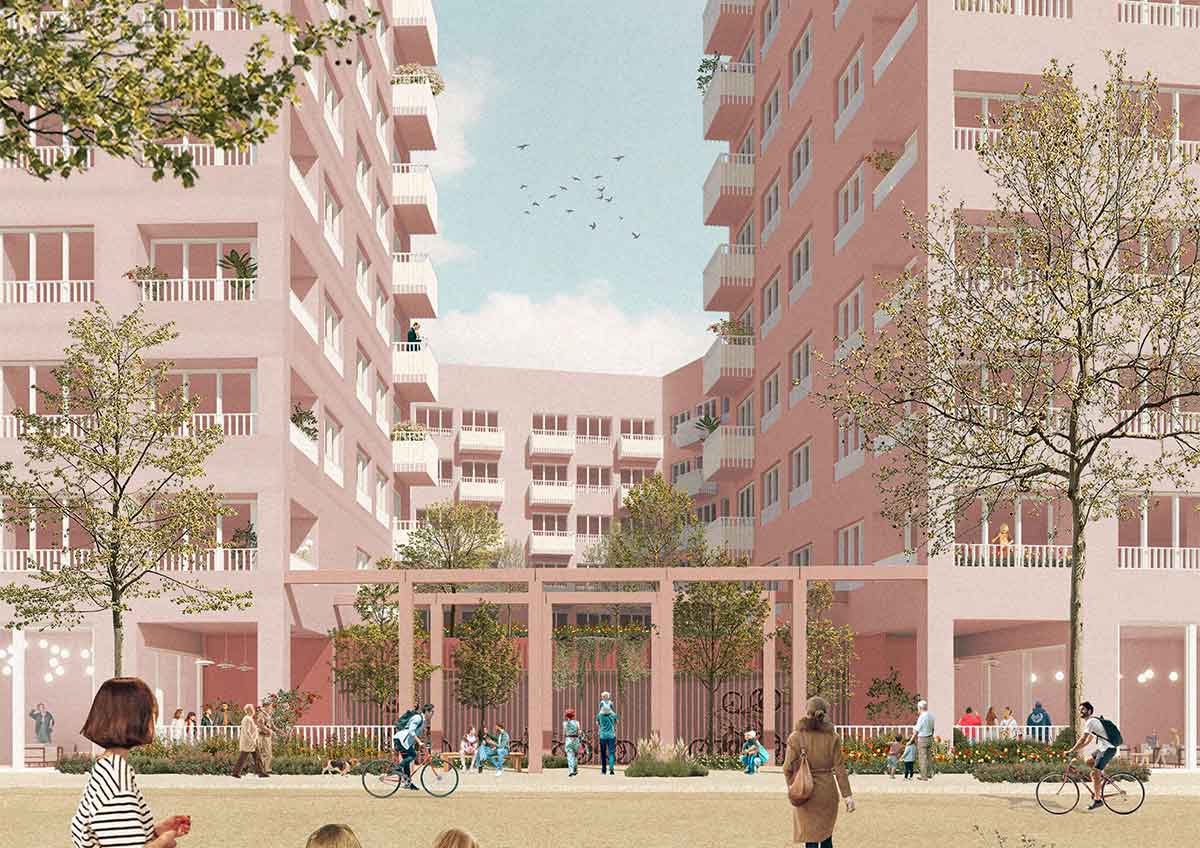
Developed in collaboration with Clarion Housing Group following our award of the William Sutton Prize in 2023, this research sets out a new approach to housing design and delivery that significantly reduces embodied carbon through an innovative, place-specific architectural vernacular.
Against the backdrop of a global climate emergency, the research responds to the sector’s most pressing challenges including rising material costs, fire safety regulations and embodied carbon. It explores how sustainable construction methods can meaningfully contribute to de-carbonisation while remaining commercially and technically viable.
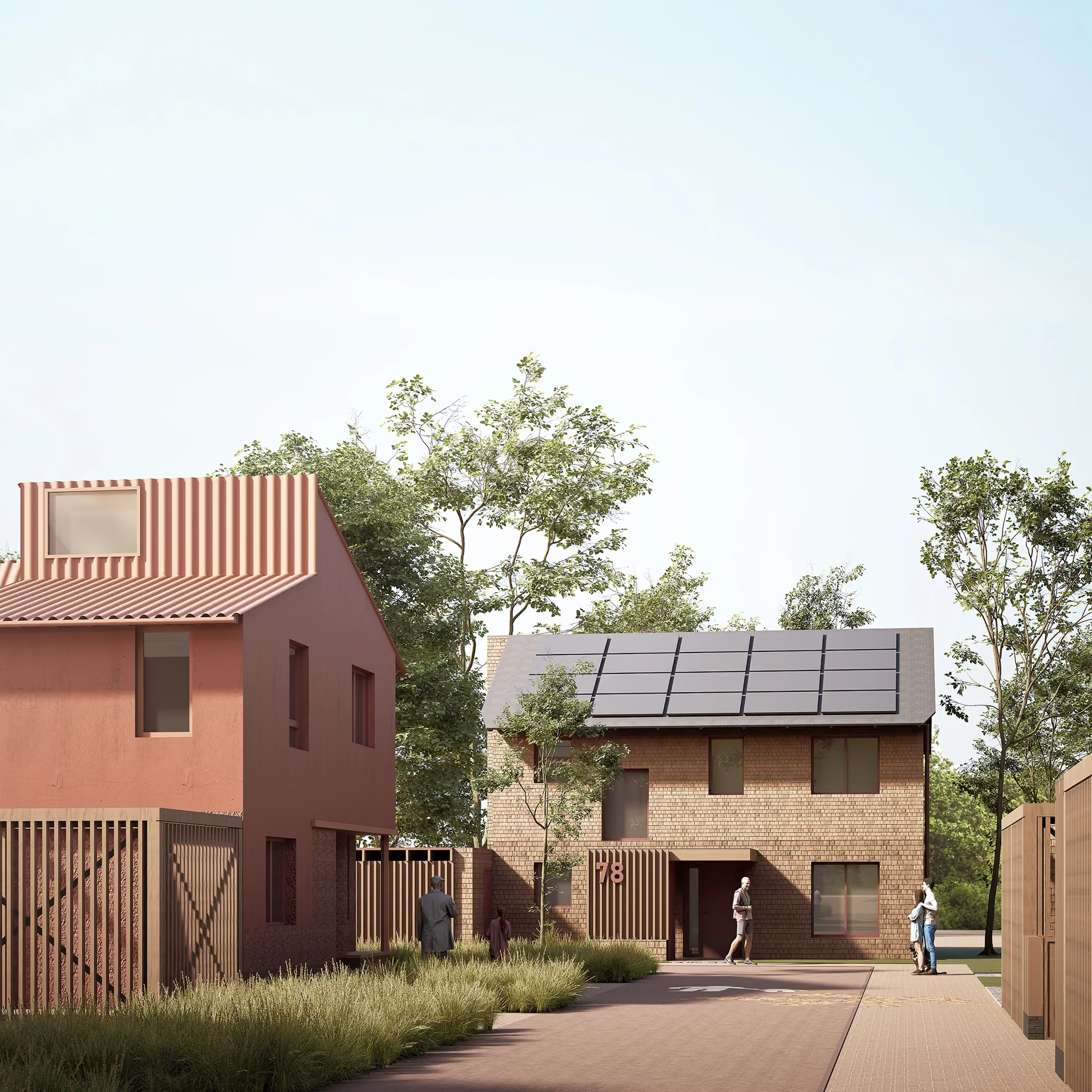
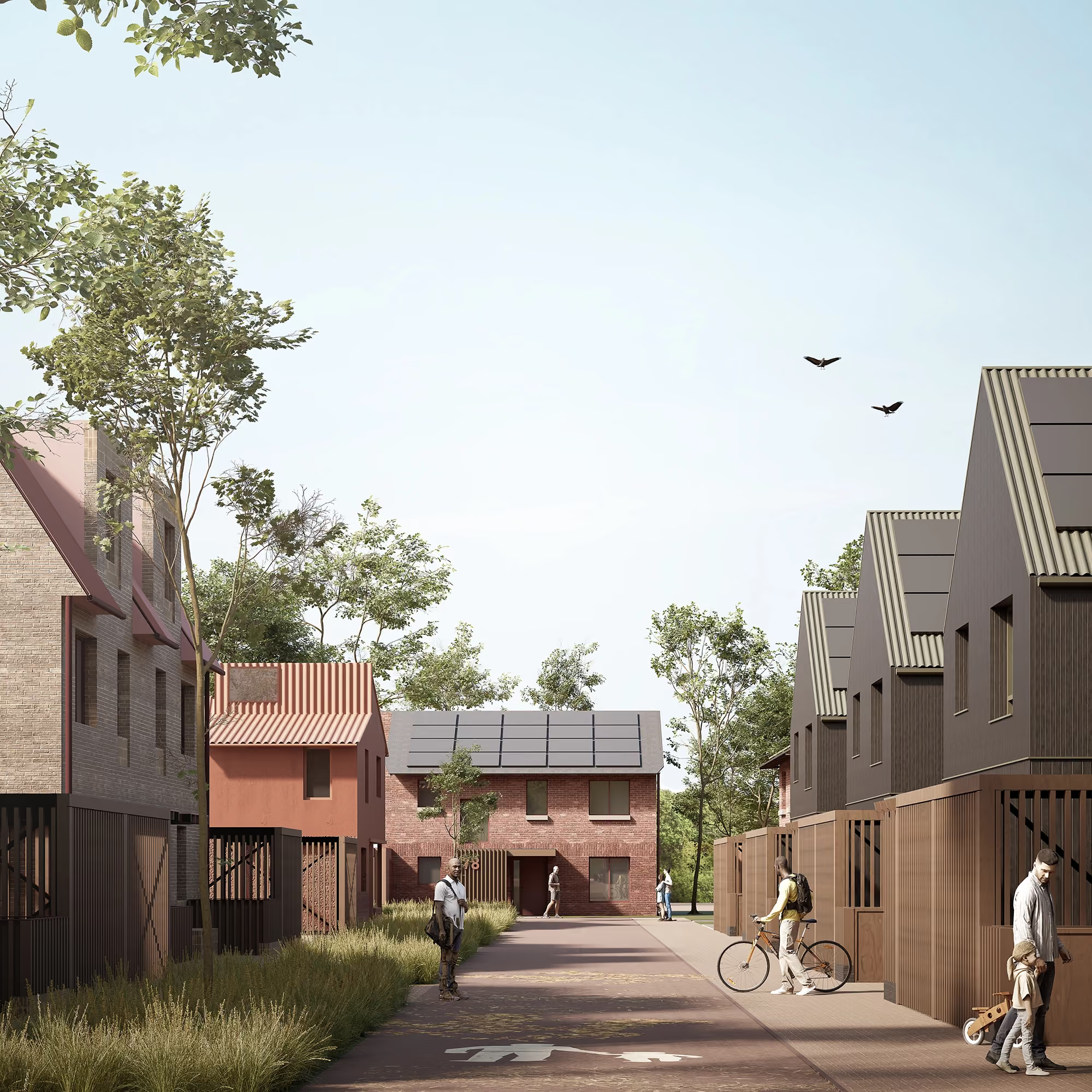
We developed a series of low-rise housing typologies that are contemporary, cost-effective, highly airtight and well insulated, and designed to perform in a warming climate. The homes are constructed entirely from locally sourced natural materials, guided by an in-house carbon calculator that informs design decisions and material selection based on performance, carbon capture and availability. Timber, lime render, hempcrete insulation and natural stone were selected to minimise transportation, support biodiversity, stimulate reforestation and contribute to the UK’s green economy.
The research demonstrates potential embodied carbon reductions of up to 70% compared with conventional construction.
Working closely with Clarion’s technical and development teams, we tested the proposals through live design scenarios to ensure they could withstand commercial and regulatory scrutiny. This collaborative process was central to developing solutions that are both sustainable and deliverable.
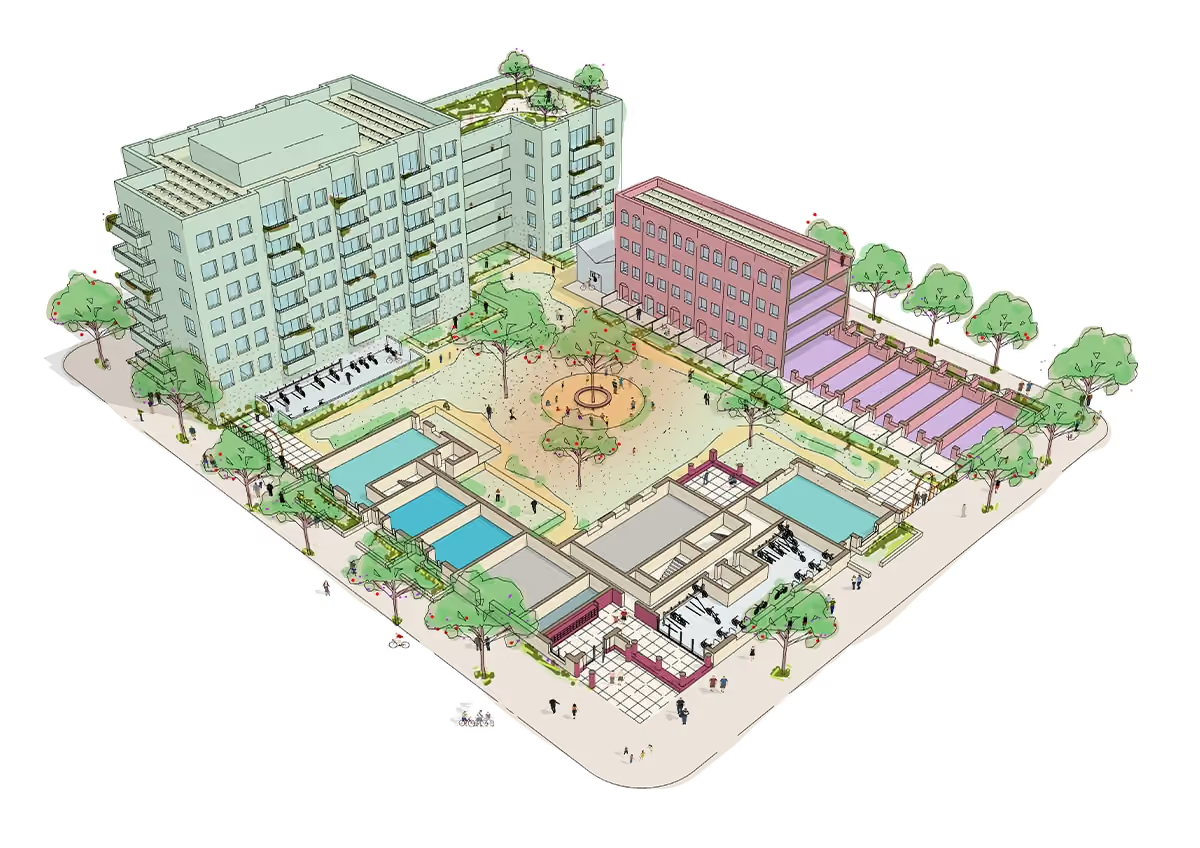
The Tendring Colchester Borders Garden Community provided an opportunity to apply the research to a live pilot project, where the zero-carbon house typologies are being taken forward for delivery. In collaboration with the wider design team, we have developed a new suite of sustainable homes for the first phase of the masterplan.
The research sets out a clear route to net zero for low-rise housing, establishing the foundations for a new, materially led and place-specific architecture for the UK.